
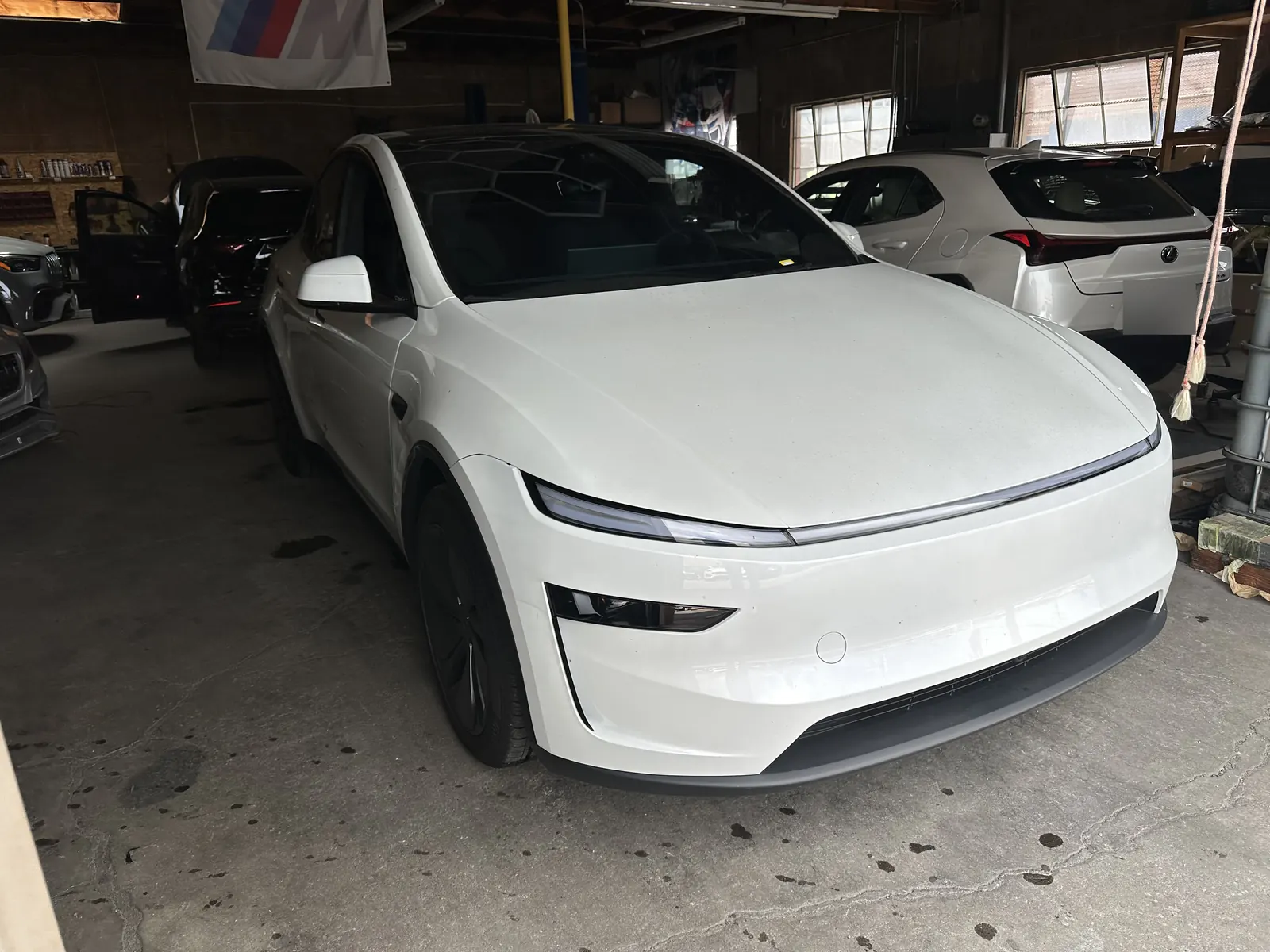
What ADAS is
ADAS stands for advanced driver assistance systems: automatic emergency braking, lane keeping, adaptive cruise, blind-spot warning and parking sensors. They rely on cameras and radar mounted in the windshield, bumpers, grille and mirrors.
Why calibration matters
Each sensor has to know exactly where straight ahead is. If a camera is aimed a fraction of a degree off, its view is feet off at highway distances. The car may brake late, drift toward a line or switch the feature off.
Repairs that trigger it
Windshield replacement, bumper or grille removal, mirror replacement, structural repair, suspension work, wheel alignment and airbag deployment. The manufacturer's repair procedure for your car lists exactly when it is required.
Static and dynamic
Static calibration is done in the shop with targets placed at measured distances from the car. Dynamic calibration is done on the road with a scan tool while the car learns from lane markings. Many cars need both.
Who pays
When calibration is required by the manufacturer for the repair being done, it is part of the insurance claim. We document the requirement and give you the scan report.